The Future of Peptide Production: How Modern Research Laboratories Are Advancing Peptide Science
Peptide research has become one of the most dynamic and rapidly evolving fields within modern biotechnology. Over the past several decades, scientists and researchers have increasingly focused on peptides due to their unique molecular structures, versatility, and potential applications across numerous areas of scientific investigation. As demand for high-purity peptides continues to grow, research laboratories and manufacturing facilities have invested heavily in advanced technologies designed to improve peptide synthesis, purification, testing, and quality assurance.
At Axeon Labs, we recognize that peptide production is more than simply combining amino acids. It is a sophisticated scientific process that requires extensive research, advanced laboratory equipment, highly trained specialists, and rigorous quality-control procedures. Every stage of peptide development contributes to the overall quality, consistency, and reliability of the final product.
Understanding Peptides and Their Importance in Research
Peptides are short chains of amino acids linked together through peptide bonds. While smaller than proteins, peptides play significant roles in biological systems and have become an important area of study within pharmaceutical, biochemical, and biotechnology research. Scientists continue to investigate peptide structures and functions in order to better understand their interactions and properties within various scientific environments.
The growing interest in peptide science has led to significant advances in production methods. Researchers are constantly seeking ways to improve synthesis efficiency, increase purity levels, and reduce manufacturing variability. These efforts have transformed peptide production from a highly manual process into a technologically advanced field driven by automation, precision, and innovation.
As research expands, laboratories continue to discover new opportunities for peptide development. This ongoing scientific exploration has increased the demand for reliable production facilities capable of maintaining strict quality standards while supporting innovation within the industry.
The Research Phase: Designing High-Quality Peptides
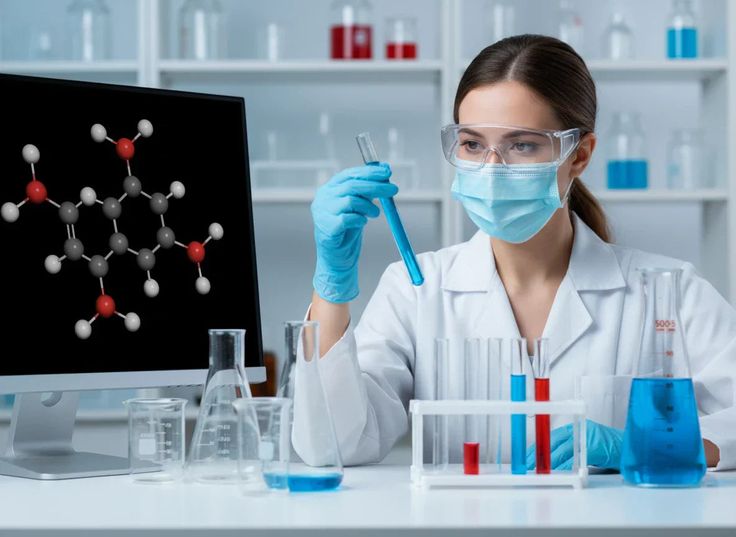
Before peptide production begins, extensive research and development activities take place. Scientists carefully analyze molecular structures, amino acid sequences, and synthesis pathways to determine the most efficient production methods. Every peptide requires a detailed understanding of its molecular characteristics and production requirements.
Researchers utilize advanced computational tools and analytical techniques to evaluate sequence stability and manufacturing feasibility. These studies help identify potential challenges before large-scale synthesis begins. Through careful planning and laboratory testing, scientists can optimize production protocols while maintaining product integrity.
The research phase also involves evaluating different synthesis strategies. Scientists may compare multiple approaches to determine which methods provide the best combination of efficiency, purity, and consistency. This stage often requires months of investigation, data analysis, and process refinement before a peptide moves into production.
By investing significant resources into research and development, laboratories can improve production outcomes and support the continued advancement of peptide science.
Modern Peptide Synthesis Technologies
One of the most significant advancements in peptide production has been the development of modern synthesis technologies. Traditional peptide manufacturing methods often required extensive manual labor and lengthy production times. Today's laboratories utilize sophisticated automated systems capable of producing highly complex peptide sequences with remarkable precision.
Automated peptide synthesizers allow researchers to carefully control each stage of the synthesis process. These systems improve efficiency while reducing the risk of human error. Advanced monitoring technologies provide real-time data that enables scientists to maintain consistent production conditions throughout the manufacturing cycle.
Automation has also improved scalability. Research facilities can now produce peptides more efficiently while maintaining the same rigorous quality standards across multiple production batches. This capability supports growing industry demand and allows laboratories to respond more effectively to evolving research needs.
As technology continues to advance, peptide synthesis systems are becoming increasingly sophisticated, enabling researchers to explore more complex molecular structures and production techniques than ever before.
Purification: Achieving High Levels of Quality
The synthesis stage represents only one component of peptide production. After synthesis is complete, extensive purification procedures are required to remove unwanted materials and ensure the desired level of product quality.
Purification is often considered one of the most critical stages of peptide manufacturing because it directly influences the final product's consistency and reliability. Laboratories employ advanced purification technologies to separate target peptides from synthesis-related byproducts and impurities.
Researchers carefully monitor purification parameters throughout the process to maintain optimal performance. Every purification cycle generates valuable analytical data that helps scientists evaluate efficiency and identify opportunities for continuous improvement.
High-quality purification procedures contribute significantly to overall manufacturing excellence and help laboratories maintain the standards expected within modern peptide production environments.
Advanced Analytical Testing and Verification
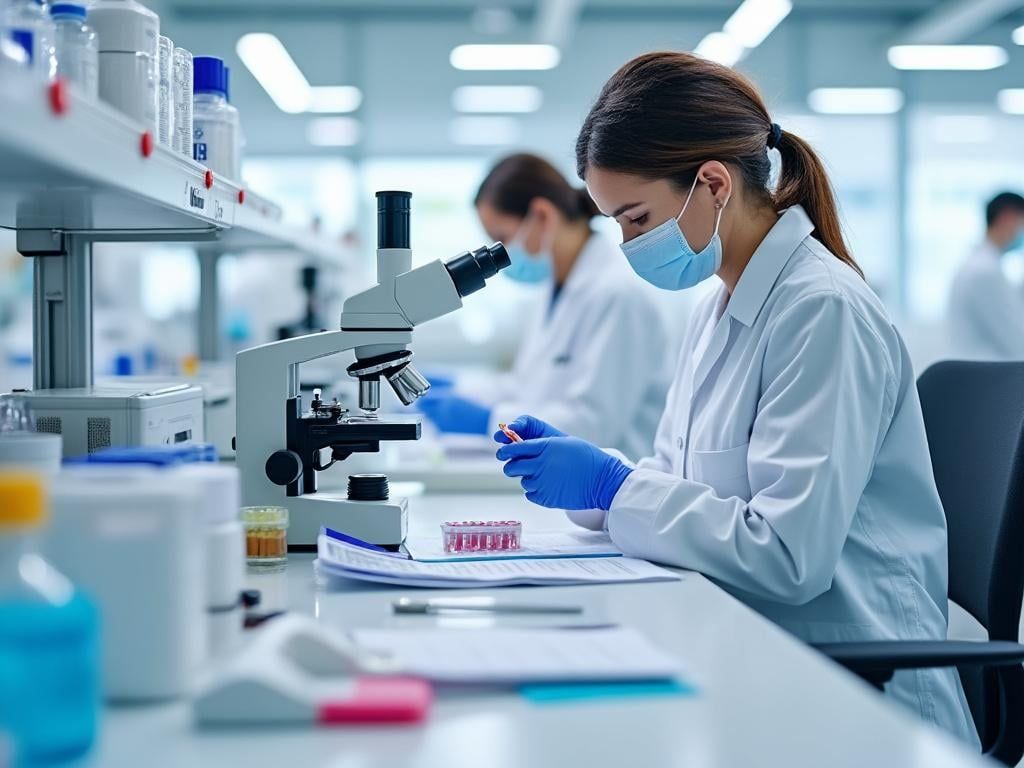
Analytical testing plays a fundamental role in peptide production. Before a peptide is approved for distribution, laboratories conduct extensive testing to verify product characteristics and ensure compliance with established quality standards.
Modern analytical instruments provide highly detailed information regarding molecular composition, purity, structural integrity, and batch consistency. Scientists rely on these technologies to evaluate production outcomes and verify manufacturing accuracy.
Testing procedures often include multiple verification stages designed to confirm that production objectives have been achieved. These evaluations help researchers identify potential issues while providing valuable insights that support ongoing process optimization.
Comprehensive testing programs demonstrate a laboratory's commitment to quality and reinforce confidence in production procedures. As analytical technologies continue to evolve, laboratories gain access to increasingly powerful tools that support both scientific discovery and manufacturing excellence.